The Netherlands and Europe are heavily dependent on a limited number of manufacturers of active pharmaceutical ingredients. This can lead to shortages when production problems or international tensions arise. At the same time, large quantities of medications are destroyed, resulting in a waste of raw materials and an unnecessary environmental burden.
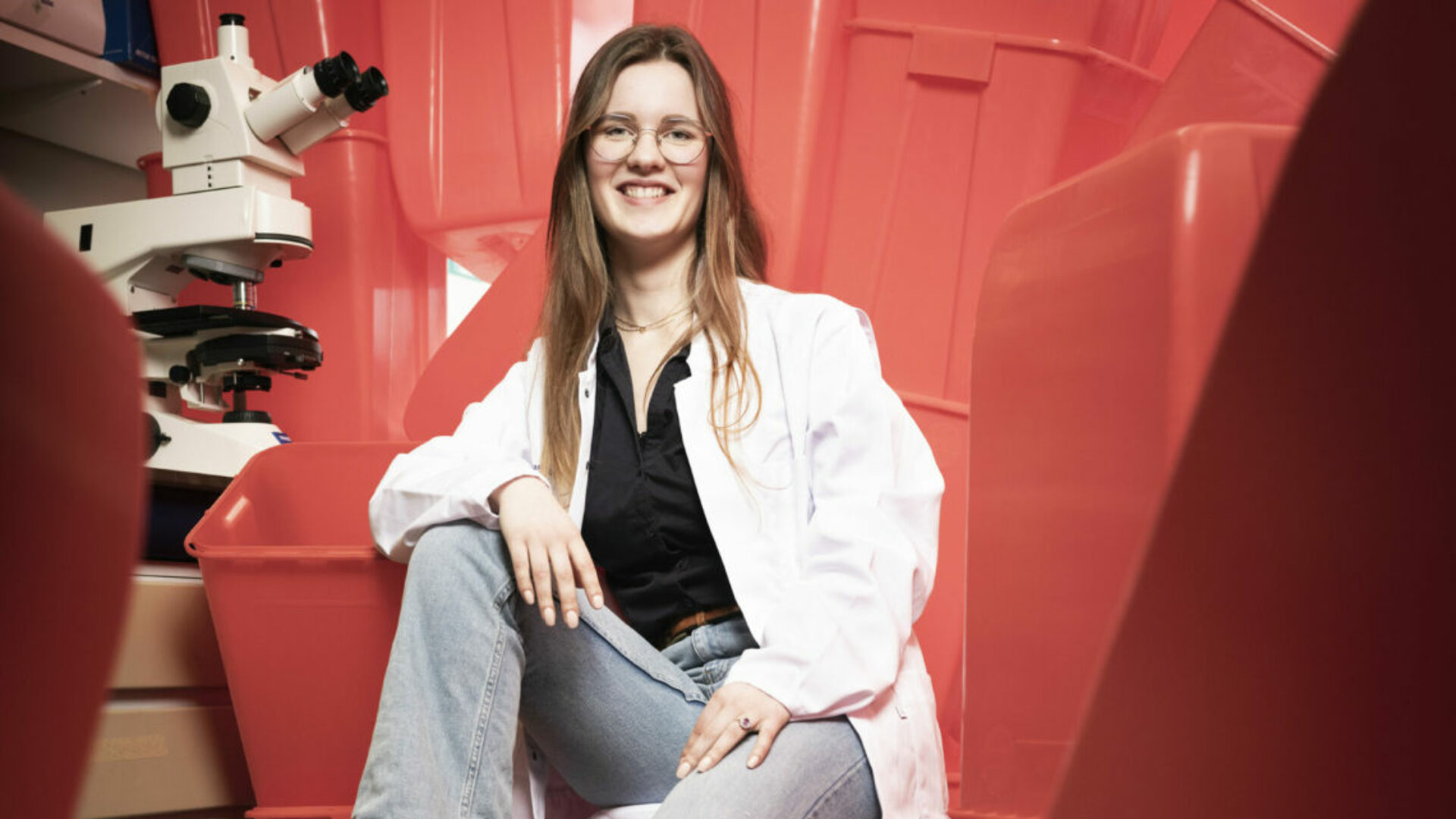
The REMEDY research project, led by Dr. Lisa-Marie Smale, aims to change that: “The idea is not to redistribute old medications to patients, but to recover the usable ingredients from them and reuse them in the production of new medications. This involves leftover medications whose quality can no longer be guaranteed and that would otherwise end up in the incinerator.”
The project aims to investigate the legal, technical, and organizational possibilities. Smale: “This requires creating a supply chain in which pharmacies, wholesalers, hospitals, and manufacturers collaborate. And it must be financially attractive for all parties.” The project is also examining whether patients trust medications made with recovered ingredients and is assessing the sustainability impacts of medication recycling. Recycling may also help reduce costs.
Tablets and Capsules
REMEDY is initially focusing on tablets and capsules, as these are discarded in the largest quantities. The research focuses on commonly used medications, including seasonal medications such as allergy treatments; cardiovascular medications such as statins; and a third group of medications to be selected later based on societal relevance.
The project is investigating whether five selected medication ingredients can be recovered. Smale: “Patient safety always comes first. Only when recovered ingredients demonstrably meet the same quality standards as new raw materials could they be considered for use in new medications.”
Consortium
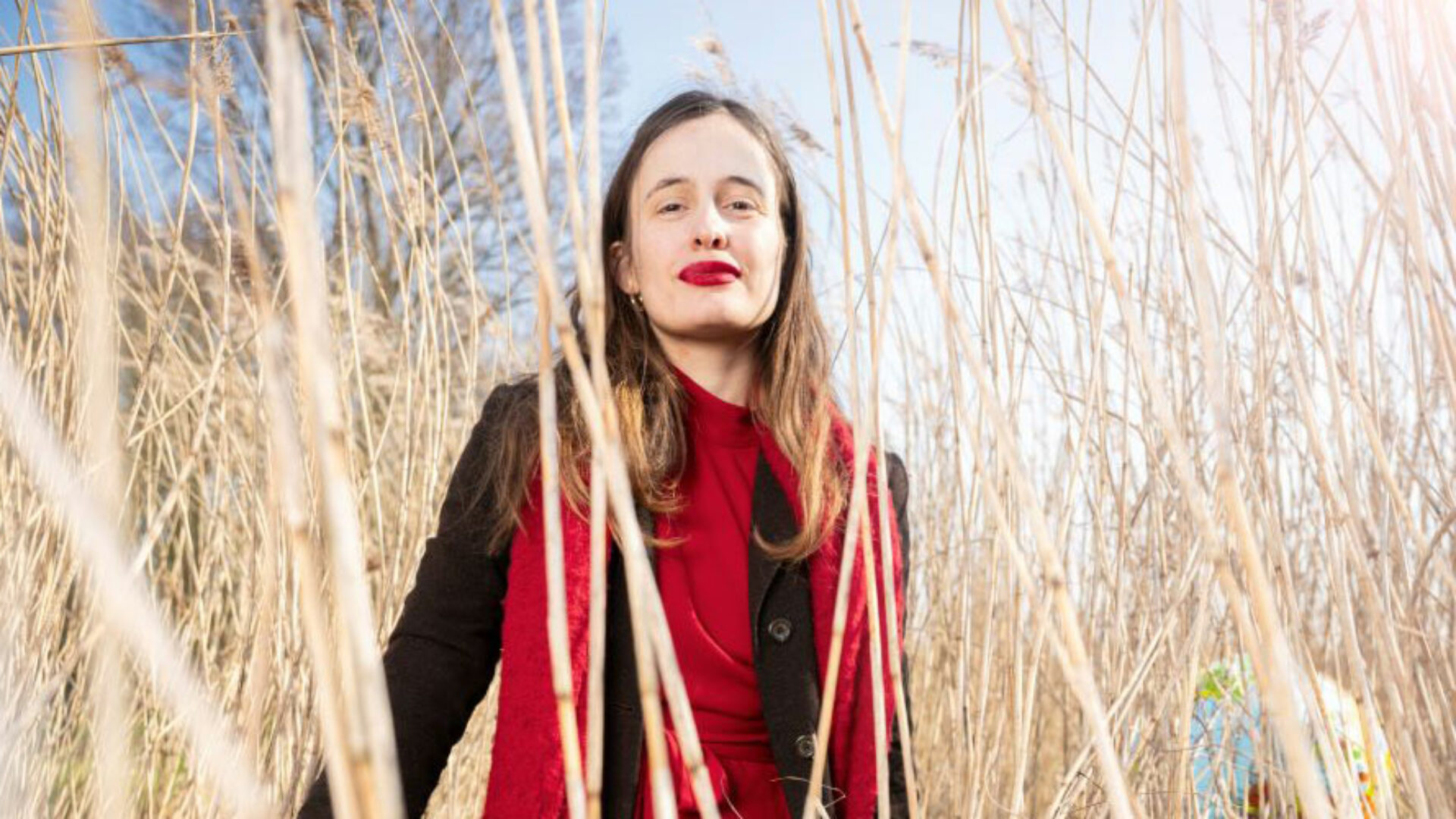
The project is part of the “Sustainable Care” research line of the Adult Intensive Care Unit led by Dr. Nicole Hunfeld. REMEDY has received a 2 million euro grant from NWO; together with co-funding from participating companies, the total project budget amounts to 2.5 million euros.
REMEDY stands for “A transdisciplinary framework to identify opportunities for REmanufacturing MEDicines to enhance SustainabilitY.” Dr. Lisa-Marie Smale of Erasmus MC is leading the project. In addition to Erasmus MC, Erasmus University Rotterdam, Hanze University of Applied Sciences, Maastricht University, and the SIR Institute for Pharmacy Practice and Policy are participating in the consortium. In addition to the NWO, the Brocacef Group, Laboratorium Ofichem, Katwijk Chemie, Apotheek A15, Laboratorium der Nederlandse Apothekers, Fagron, VGZ, Pharmaswap, and IQVIA contributed to the funding. Other collaboration partners include Symeres, the University of Groningen, the Association for Innovative Medicines, Apotheek van Amerongen, Gupta Strategists, and Jacqueline Postma as a patient representative.